In the context of businesses increasingly prioritizing operational efficiency and human resource development, the workplace has become a critical component of corporate strategy. Office interior design is no longer simply about functional layout; it directly impacts work performance, productivity, employee engagement, and how a company expresses its brand identity.
Keeping up with and applying appropriate design trends helps businesses optimize space utilization, improve the work experience, and enhance adaptability to evolving operating models. In this article, INNO summarizes the most prominent office interior design trends in recent years.
Flexible Offices Aligned with Hybrid Work Models
Flexible offices reflect a shift in modern work organization, especially as hybrid work models – combining in-office and remote work – become increasingly common. Instead of assigning fixed desks to individuals, spaces are organized into functional zones such as collaborative areas, hot desks, focus zones, and shared social spaces.
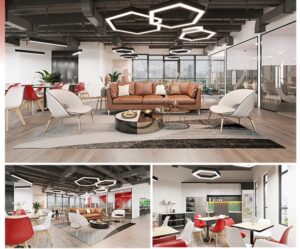
This zoning approach allows companies to adjust space usage based on actual needs while fostering interaction and collaboration between teams. It transforms the workplace into a hub for connection, teamwork, and corporate culture, enabling employees to choose environments that best suit their tasks and improving overall performance.
Human-centered Design
Human-centered office design focuses on improving the physical health, mental well-being, and overall experience of users. In this approach, office interiors are evaluated not only for aesthetics but also for how effectively they support productivity and long-term comfort.
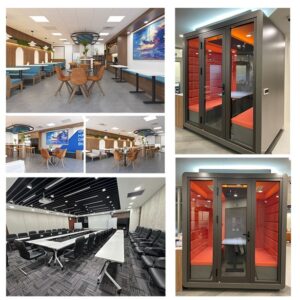
Common solutions include ergonomic furniture, height-adjustable desks, proper monitor positioning, appropriate lighting standards, and acoustic solutions to reduce background noise. These measures help reduce stress, improve concentration, increase productivity, and strengthen employee engagement, while reinforcing the image of a professional and sustainable workplace.
Biophilic Design in the Workplace
Biophilic design integrates natural elements such as greenery, natural light, and organic materials into office environments. This can be seen in the use of indoor plants, maximizing natural daylight, improving ventilation, and selecting materials like wood, stone, or natural-texture finishes.
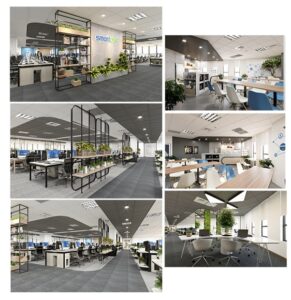
This trend not only enhances employee experience but also demonstrates a company’s commitment to sustainability. Solutions such as green walls, skylights, optimized daylight layouts, and indoor gardens can be flexibly applied across various office sizes and types.
Smart Offices and Technology Integration
Smart offices integrate technology solutions into the workplace to improve operational efficiency and optimize user experience. Common applications include automated lighting and HVAC systems, occupancy sensors, desk and meeting room booking platforms, and Building Management Systems (BMS) with space utilization analytics.
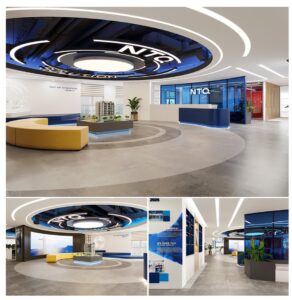
Technology integration enables businesses to manage operations more efficiently, save energy, and support flexible working models. For employees, these solutions reduce manual tasks, increase convenience, and improve connectivity at work.
Sustainable Office Design
Sustainable office design focuses on reducing environmental impact and optimizing resources throughout the building lifecycle. Typical solutions include low-VOC materials, recycled materials, optimized natural lighting and ventilation, and high-efficiency LED lighting systems.
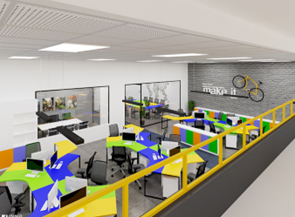
Standards such as LEED, WELL, and BREEAM provide frameworks for evaluating sustainability performance. According to the World Green Building Council, sustainable offices not only reduce operating costs but also improve employee health and productivity. To ensure long-term effectiveness, businesses should conduct quantitative assessments before and after renovation, including energy consumption, indoor air quality, and user satisfaction.
Current office interior design trends show a clear shift from traditional layouts to flexible, human-centered, and sustainable solutions. Adopting these trends helps businesses optimize space, improve performance, foster a positive workplace culture, and demonstrate long-term social responsibility.
Companies should begin by conducting a space audit, defining key objectives (such as optimizing space, improving employee well-being, or reducing operating costs), and developing a phased renovation roadmap covering key areas like collaborative zones, meeting rooms, and relaxation spaces. Selecting appropriate design strategies – flexible, biophilic, smart, sustainable, or a combination – is essential. If needed, businesses can partner with INNO for consultation, design, and office interior fit-out solutions tailored to their operational needs and development goals.